Thank you! Your submission has been received!
Oops! Something went wrong while submitting the form.

gradar works with TMA to connect job structures with the behavioural competencies required for success - helping align roles, skills and development in a clear, fair and objective way.
TMA is a talent management company that helps organisations unlock human potential through insight into talents, drives and strengths. Together, gradar and TMA connect role clarity with talent insight to support objective selection, development and leadership decisions.

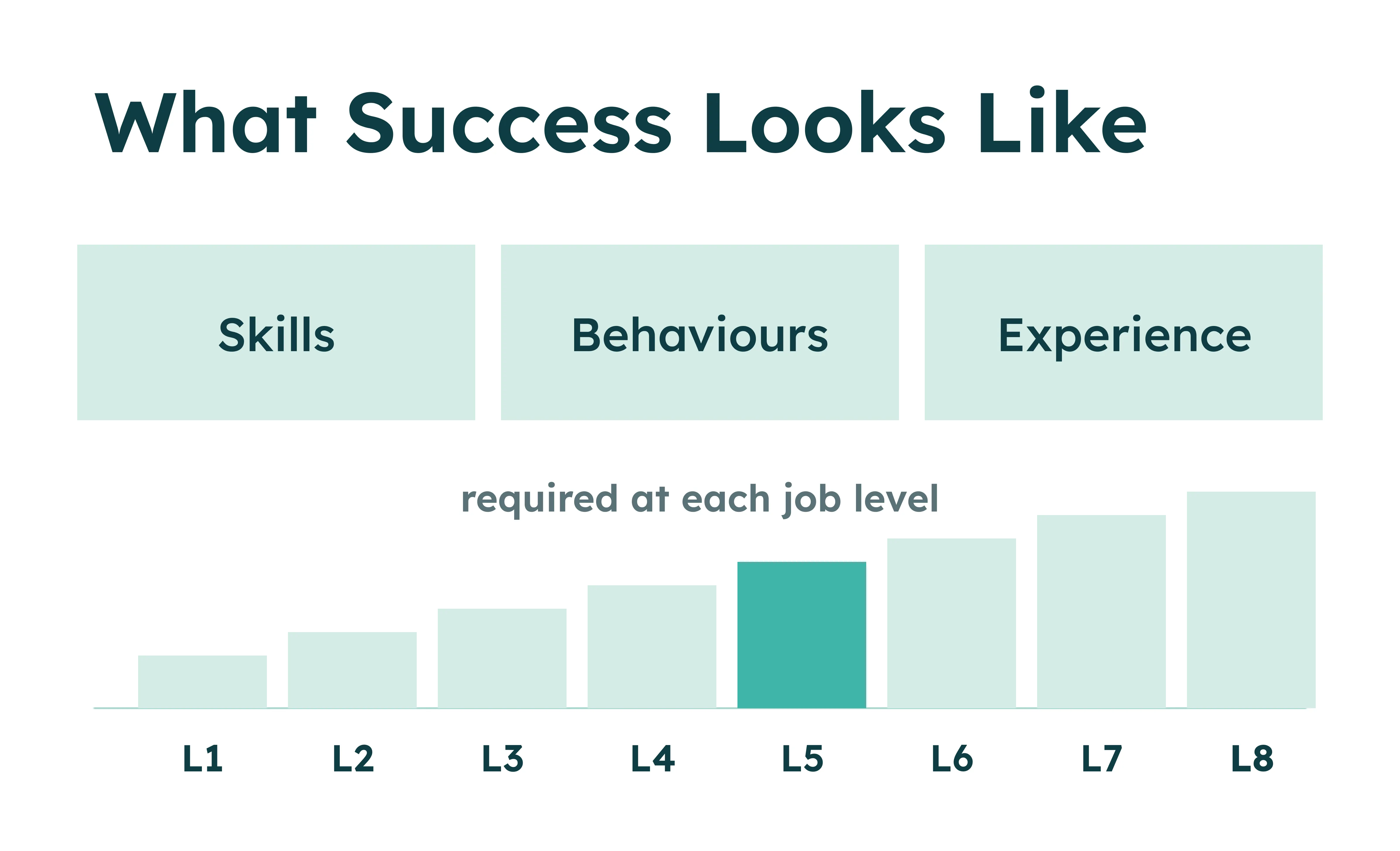
Clear competencies bring clarity to roles. gradar helps you define the skills, behaviours and experience required at each job level. This creates a shared understanding of expectations across the organisation and makes it easier to explain what strong performance looks like in practice.
Competencies are connected to job levels, job families and career paths - ensuring skills and behaviours are aligned with job value, progression and fair pay structures. This alignment helps organisations compare roles more consistently and supports transparent career development across teams and functions.


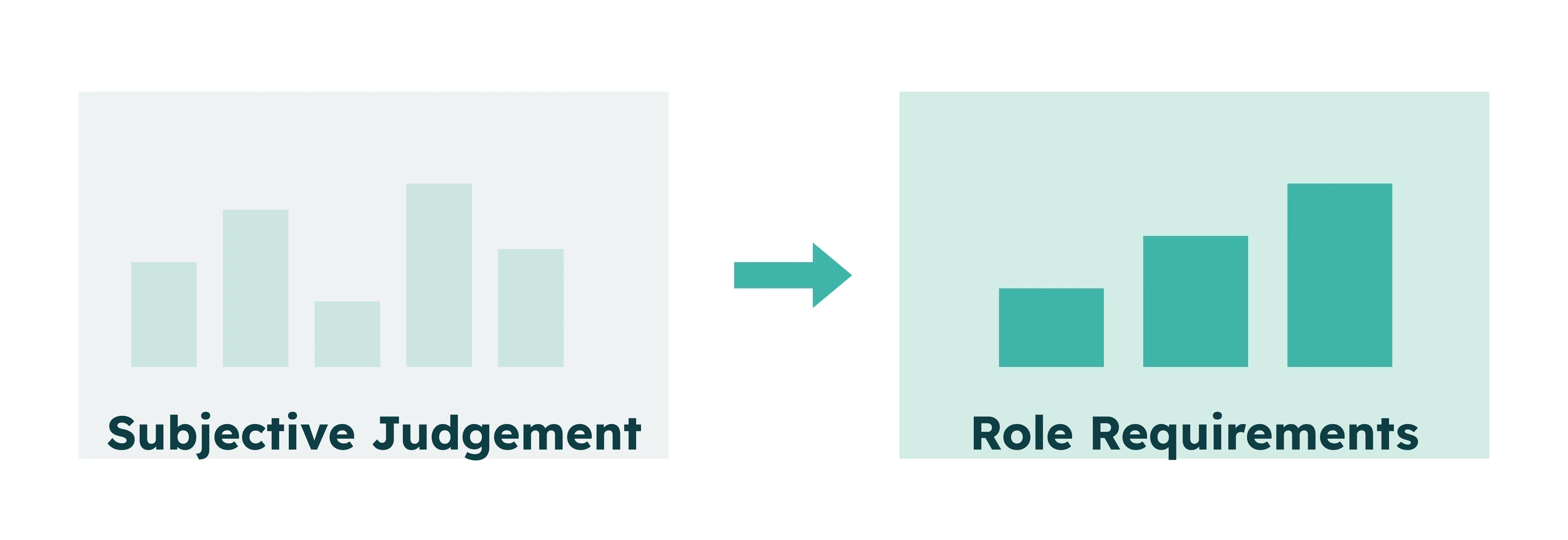
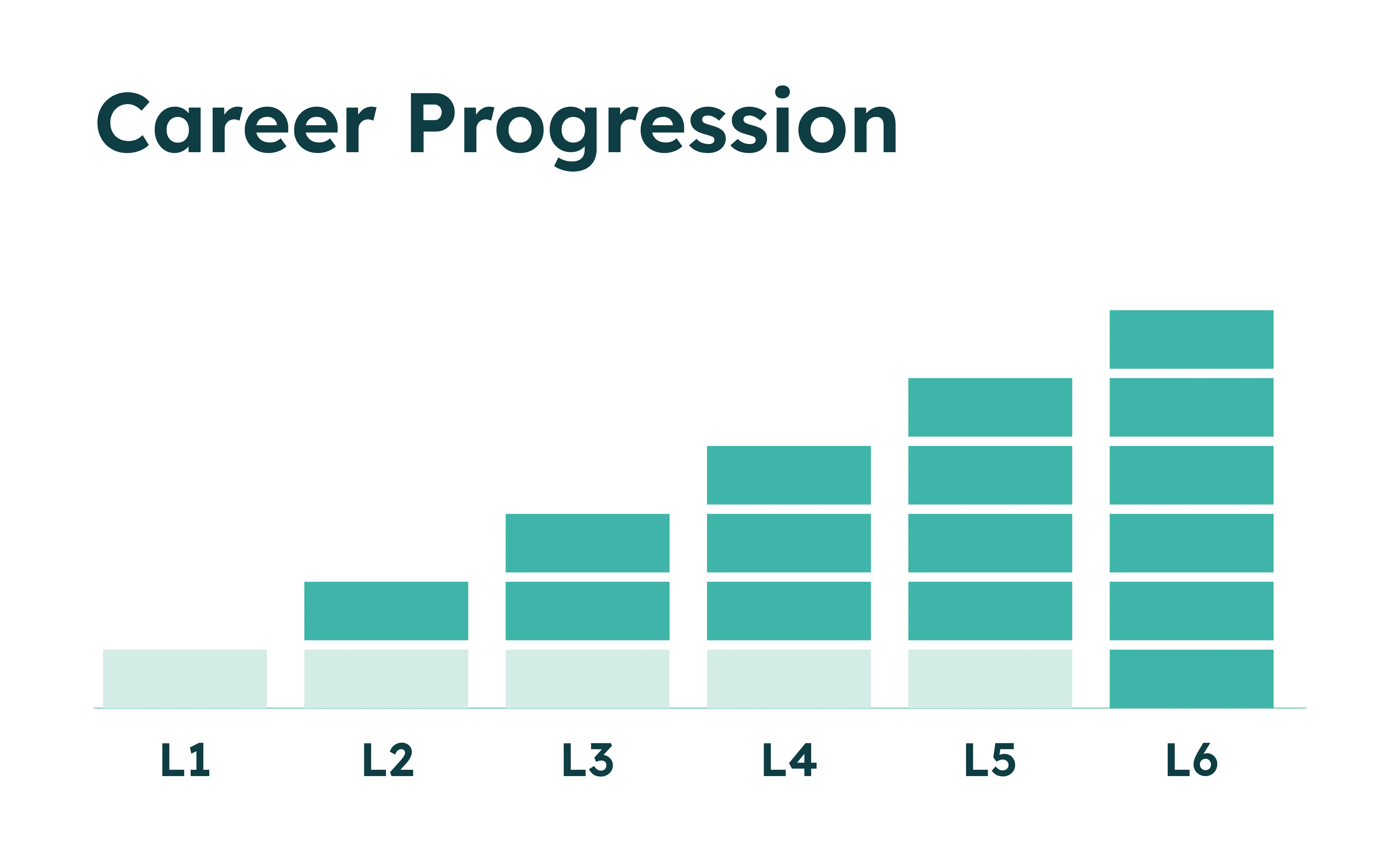
By linking competencies to job levels, gradar supports development planning and career progression - based on role requirements rather than subjective judgement. This helps organisations connect talent discussions with role expectations while keeping compensation decisions grounded in job value.
Apply one competency framework across teams, functions and locations to support comparability, fairness and transparency in all of your people decisions. A shared framework also makes it easier to scale talent processes and maintain consistency as your organisation grows.

A competency profile is a structured description of the behaviours, skills and experience required to succeed in a particular role or job level. In gradar, competency profiles are linked directly to your job architecture, ensuring expectations are defined consistently across job families and levels. This creates a clear reference point for what successful performance looks like within each role.
Competency profiles make decision criteria explicit. Instead of relying on personal impressions or informal comparisons, organisations can assess hiring, development and promotion decisions against clearly defined role requirements. This helps ensure that people decisions are more consistent, transparent and aligned with the expectations of each role.
In gradar, competencies are mapped to job families and job levels. Each level therefore has a clear definition of what “good performance” looks like in terms of behaviour and capability. This alignment ensures that behavioural expectations match the scope and complexity of the role while also supporting transparent career paths and easier comparison across teams and functions.
TMA provides a talent management methodology that focuses on talents, drives and strengths. When combined with gradar, the two systems connect role clarity with talent insight. gradar defines the structure of roles and levels, while TMA provides deeper understanding of individual potential and behavioural preferences. Together they support more objective decisions in areas such as hiring, leadership selection and employee development.
The TMA model provides a detailed view of behavioural potential and development opportunities. It includes 53 competencies that describe success behaviours, as well as 22 psychological drives that combine into 44 talents. These insights help organisations understand natural preferences, predict potential and support stronger person–role matching.
Competency profiles clarify the expectations for success at each job level. This makes it easier to identify development priorities based on role requirements, plan progression steps along defined career paths and support more consistent performance conversations. Instead of relying on visibility or informal recognition, development becomes linked to the capabilities required for the next role.
Competency profiles help explain the behavioural expectations associated with each job level, while compensation structures remain grounded in job architecture and job value. By linking competencies to levels, organisations create a shared understanding of what readiness for progression looks like. This allows talent discussions and pay structures to stay connected without turning compensation decisions into subjective assessments.
Syncing job profiles between gradar and TMA helps avoid what is often called ‘profile drift’. Role definitions remain consistent across job architecture, talent assessments, development planning, performance reviews and mobility decisions. This alignment ensures that roles are defined in the same way across different HR processes, making talent management clearer, fairer and easier to scale.
Define grades, career paths & job families for a fair, transparent organization.
Job titles, job families, career paths & competency profiles - the building blocks of a clear job architecture

gradar brings clarity to how competencies are defined and applied - supporting fair, objective talent decisions.
Job evaluation
Compensation
Pay transparency