Thank you! Your submission has been received!
Oops! Something went wrong while submitting the form.

gradar helps organisations clearly define work of equal value - creating the foundation for fair pay and compliance with the EU Pay Transparency Directive.

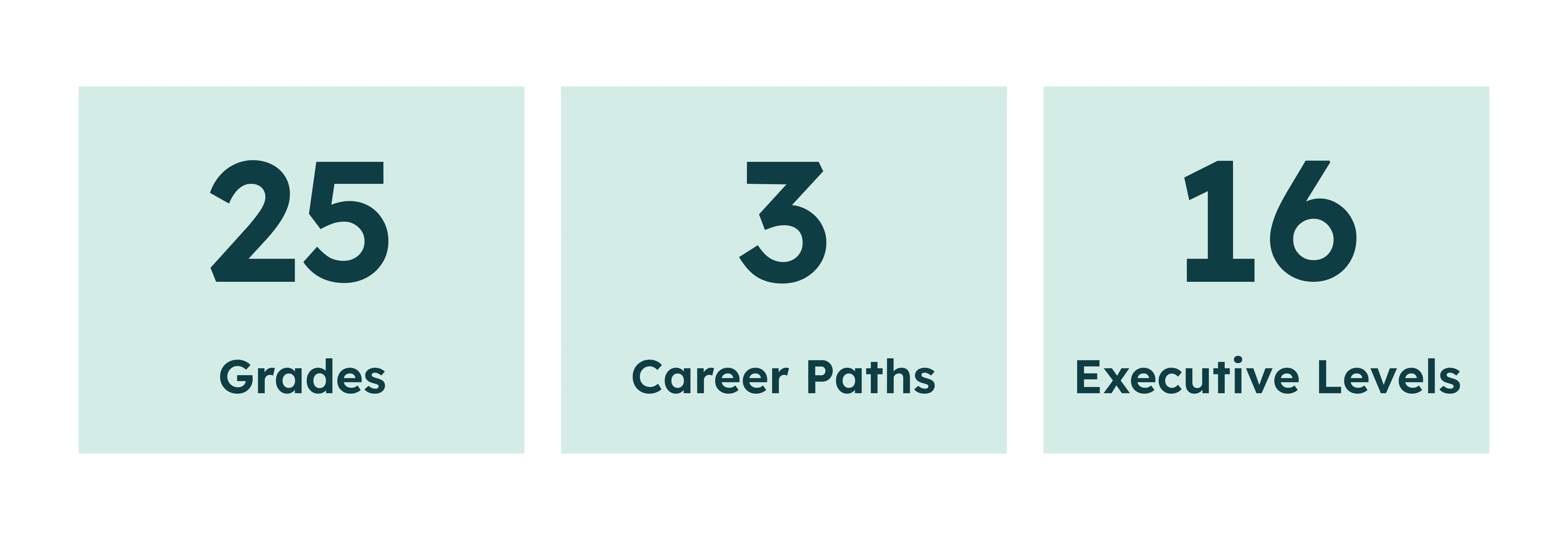
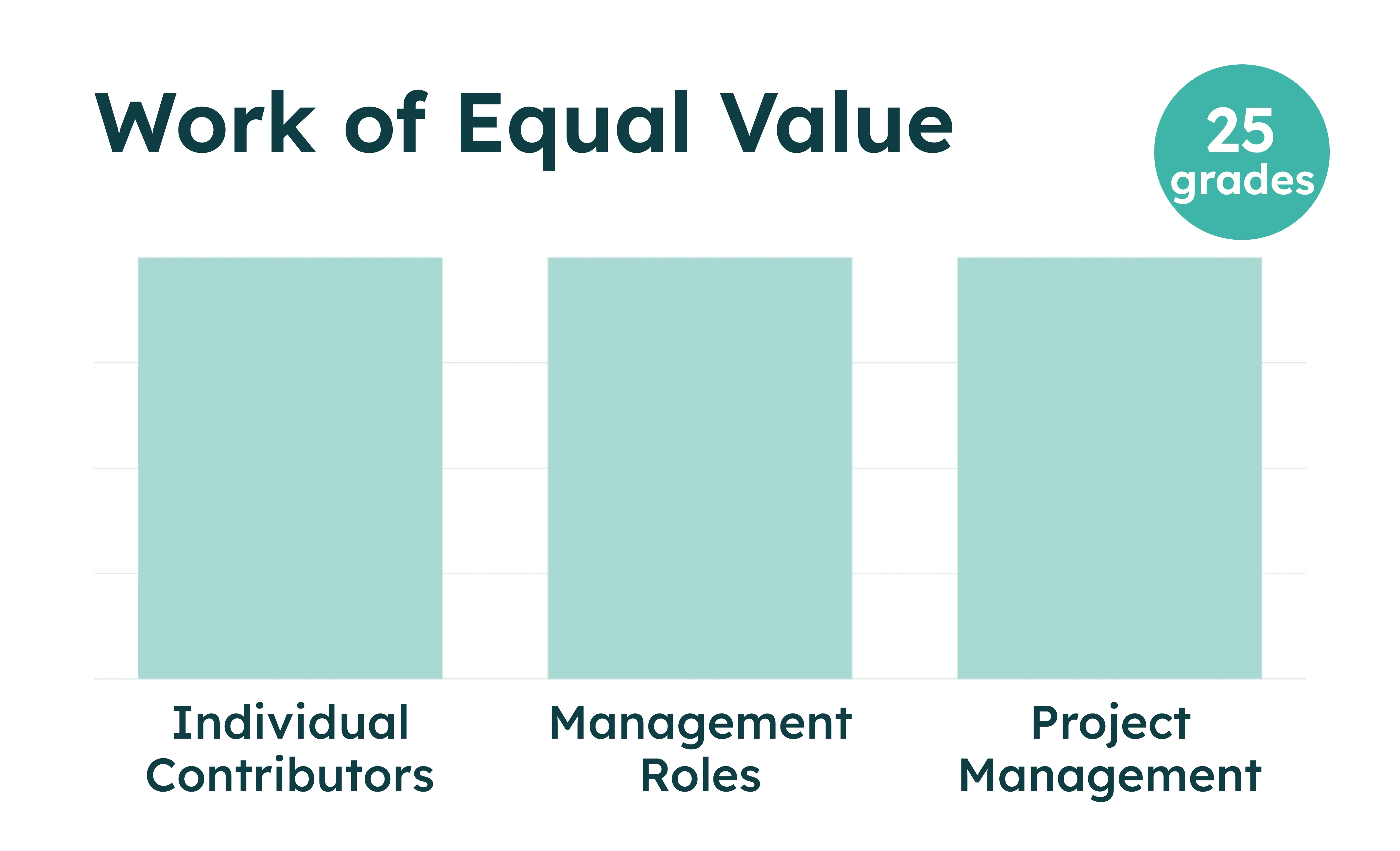
Pay transparency starts with how work is valued. gradar has a point-factor-based approach to job evaluation that makes it clear which roles are comparable. Jobs are evaluated across 25 grades in three career paths - individual contributors, management roles and project management roles – plus 16 executive levels.
Jobs are graded using gender-neutral criteria such as skills, responsibilities and impact – the EU Pay Transparency Directive’s recommended approach to job evaluation. By providing clear factor definitions and distinctive level descriptions, the evaluation process is easy to understand and provides a high level of objectivity.


Apply one standardised methodology (localised in 25+ languages!) across countries, teams and job families to support fairness, comparability and compliance. gradar is the next-generation approach to job evaluation developed to provide an intuitive and affordable service – leading the way in innovation and accessibility for all.
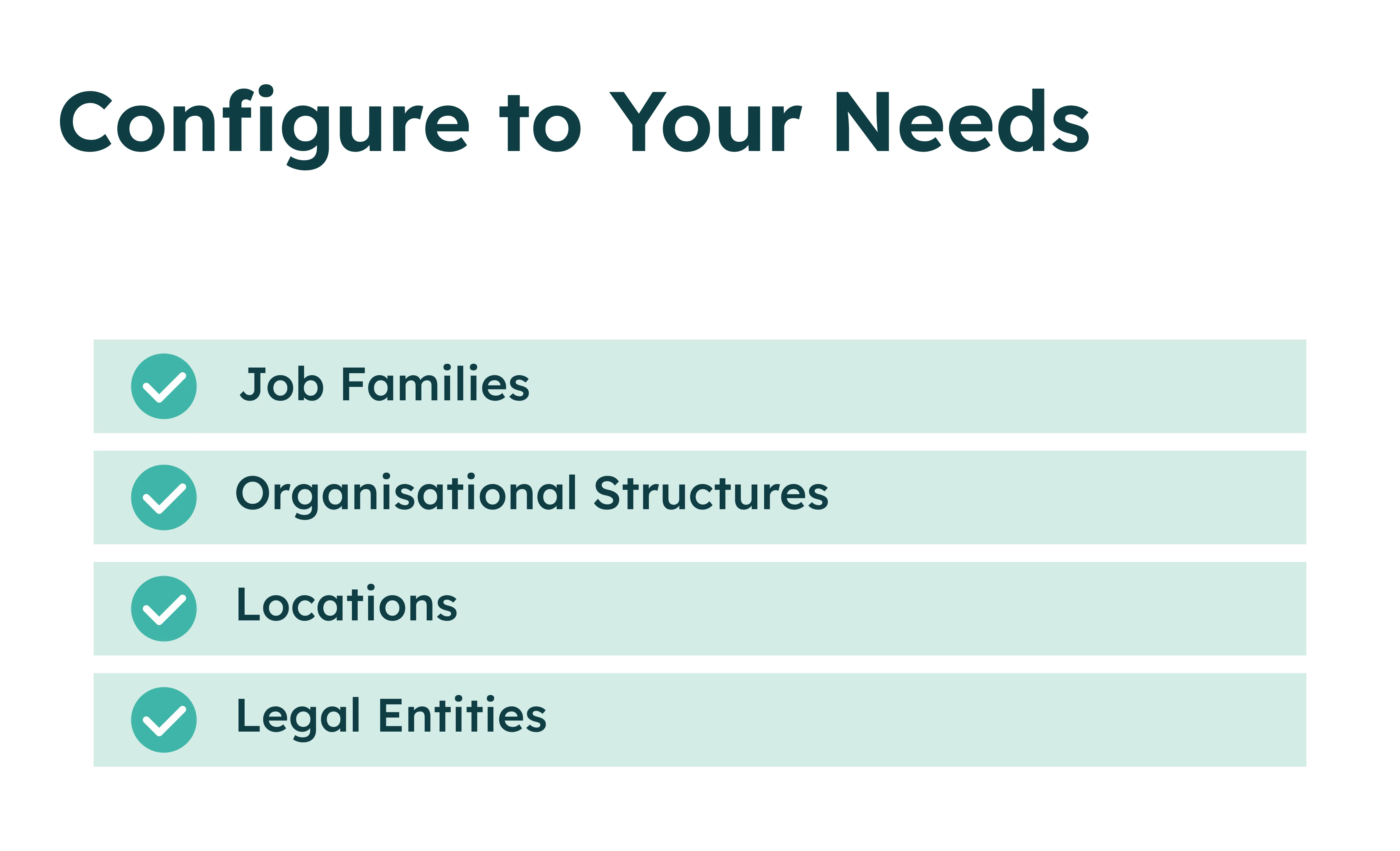
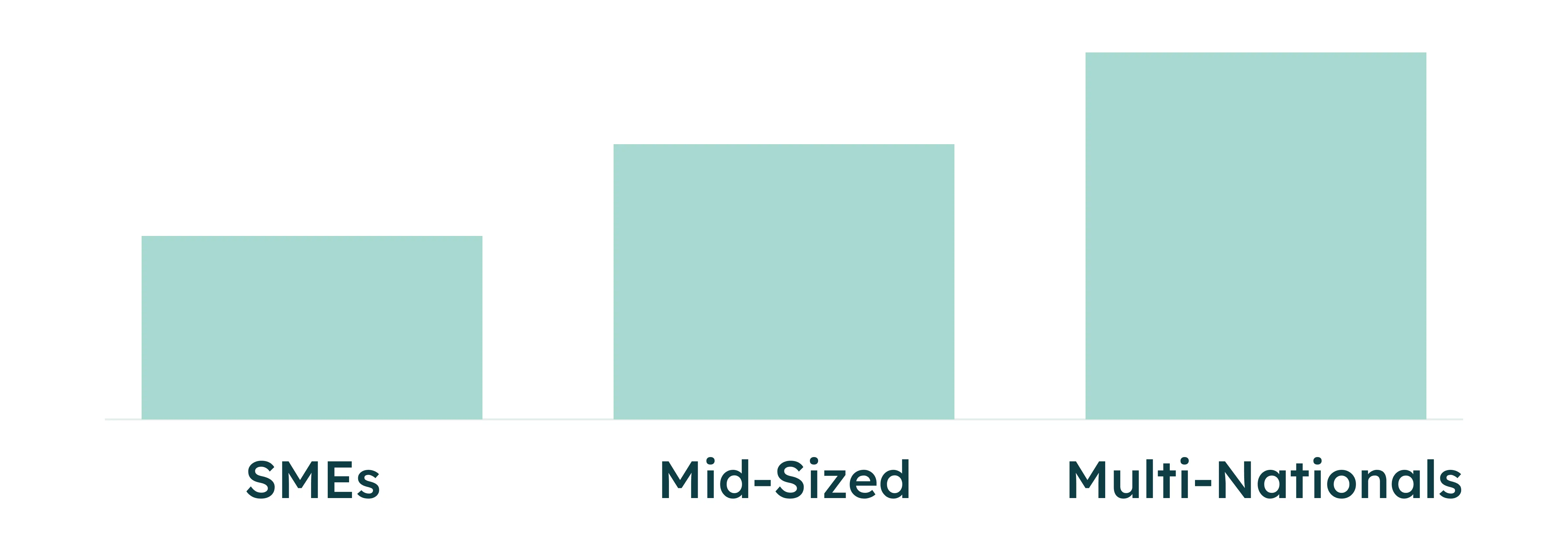
From job families and organisational structures to locations and legal entities, you can configure the system to your requirements. By focusing solely on comparable job evaluation results, gradar is suitable for every business – from SMEs to multi-national companies - in fast-changing work environments.

Compare jobs using a gender-neutral job evaluation system to define equivalent duties and support compliance with wage transparency regulations.

gradar provides consistent and objective results on all job levels, from unskilled workers to strategic experts, from project to people managers as it follows a strict requirements-based approach. The well-balanced choice of input-, throughput- and output-factors makes gradar the ideal tool to evaluate positions in organisations of all sizes in all industry sectors, public or private. In other words, same input always leads to same output.
gradar defines work of equal value using an analytical, point-factor job evaluation approach that makes it clear which roles are genuinely comparable across teams, job families and countries. Same input in terms of job requirements always leads to same outcomes in terms of career path and grade.
gradar evaluates jobs using gender-neutral criteria aligned with EU-suggested factors such as (social) skills, responsibilities, effort and working conditions, and keeps decisions documented and traceable, supporting fair pay, pay equity work and pay transparency readiness.
gradar uses one standardised methodology with clear factor definitions and verbal level descriptions, helping HR evaluate similar roles consistently and explain differences with evidence.
Every evaluation decision in gradar is recorded and traceable, creating an audit-ready evidence trail to explain job value to employees, leadership and regulators.
gradar combines a requirements-based evaluation with defined career paths, factors and levels. It evaluates roles across 25 grades in three career paths (Individual Contribution, Project Management, People Management) plus 16 executive levels.
gradar is built on the principle that pay transparency starts with how work is valued, so organisations can compare roles fairly, define work of equal value and communicate outcomes clearly.
gradar applies one standardised methodology across countries and job families and is localised in 25+ languages, helping organisations maintain consistent grading logic globally and build a foundation for job architecture, benchmarking and compensation structuring.
Modern alternatives to legacy job evaluation methods such as gradar use a standardised factor structure with transparent and gender-neutral level definitions, and digital documentation so results are consistent, explainable and scalable across the organisation.
Define grades, career paths & job families for a fair, transparent organization.

Compare ranking, classification, point-factor & grading - find the right approach.

gradar enables analytical job evaluation to define work of equal value and support compliance with pay transparency legislation.
Job evaluation
Compensation
Pay transparency


