Thank you! Your submission has been received!
Oops! Something went wrong while submitting the form.

gradar helps organisations analyse and generate pay transparency reports in a clear, structured way - using consistent job groupings that support transparent, repeatable reporting.

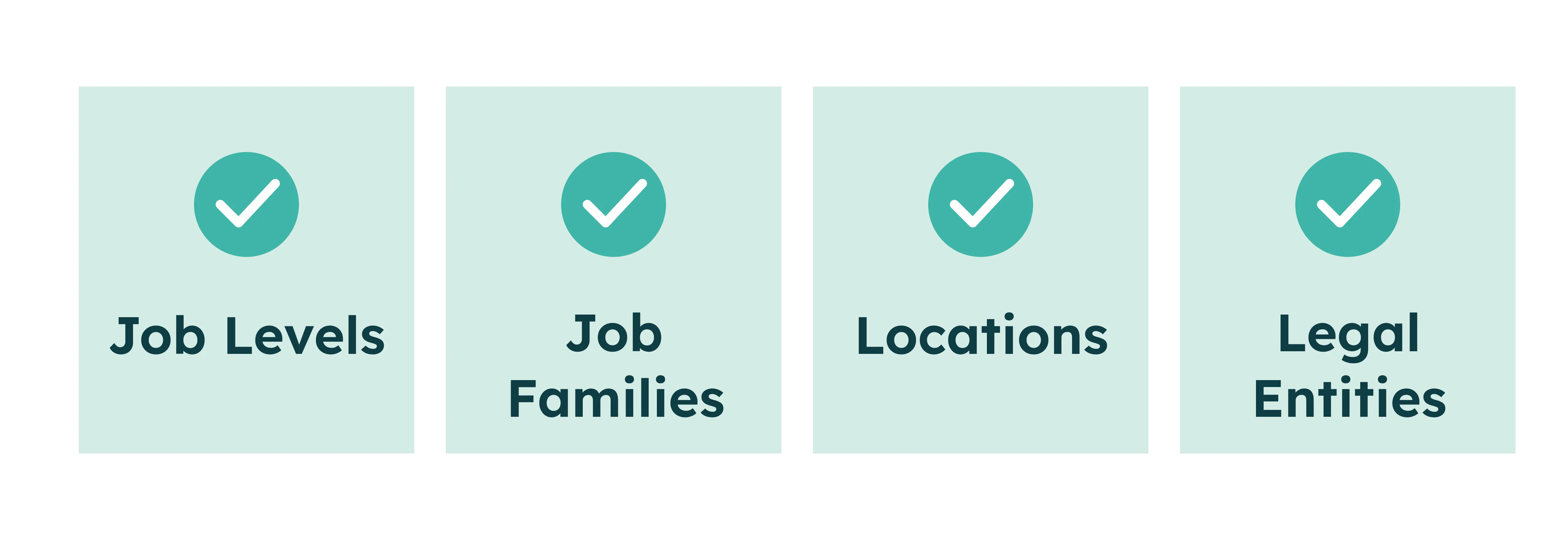
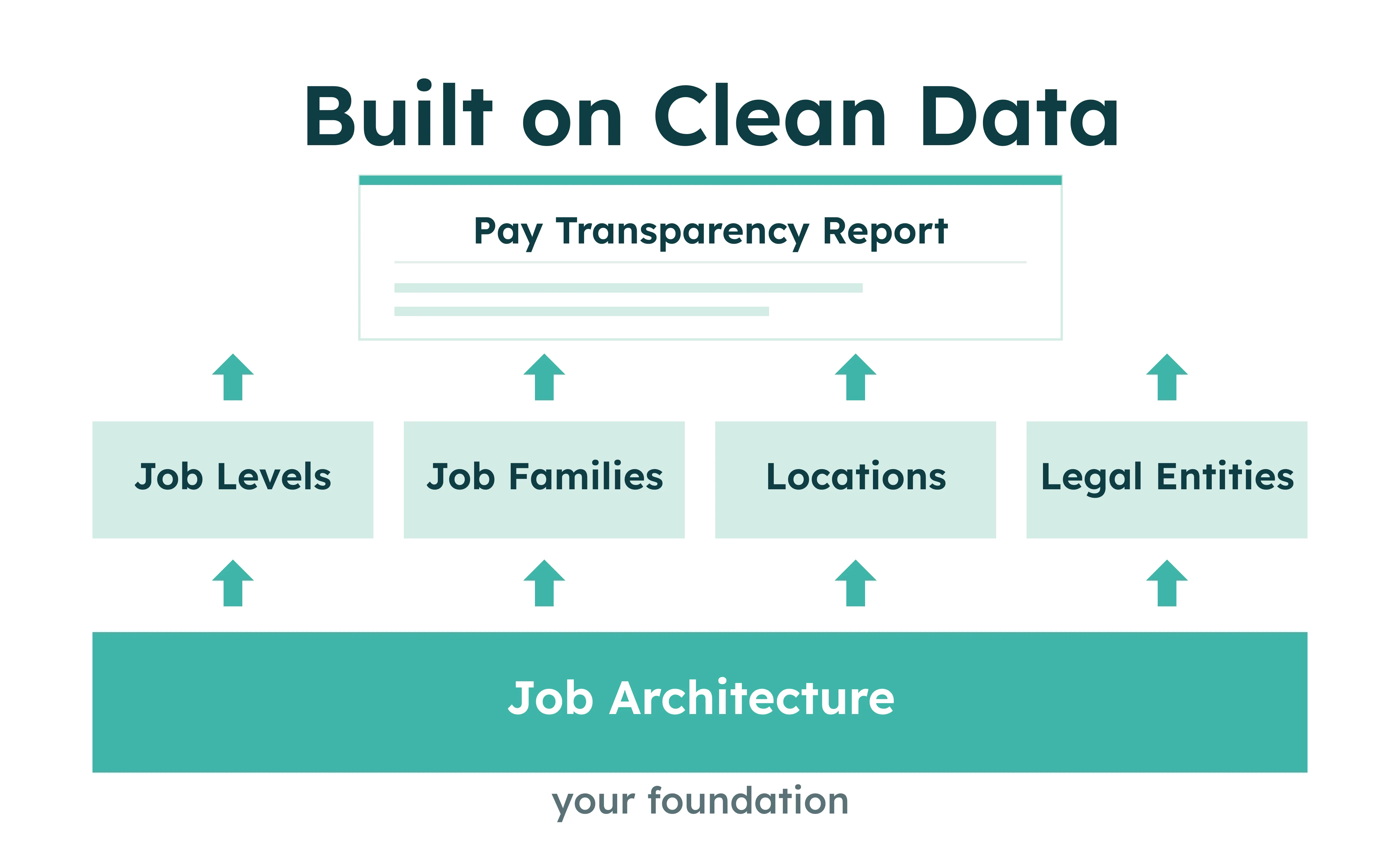
gradar uses your job architecture (job levels, job families, locations and legal entities) as the foundation for all reports - ensuring roles are compared on a like-for-like basis. This structured data model helps organisations analyse pay outcomes using consistent role definitions rather than inconsistent job titles or org charts.
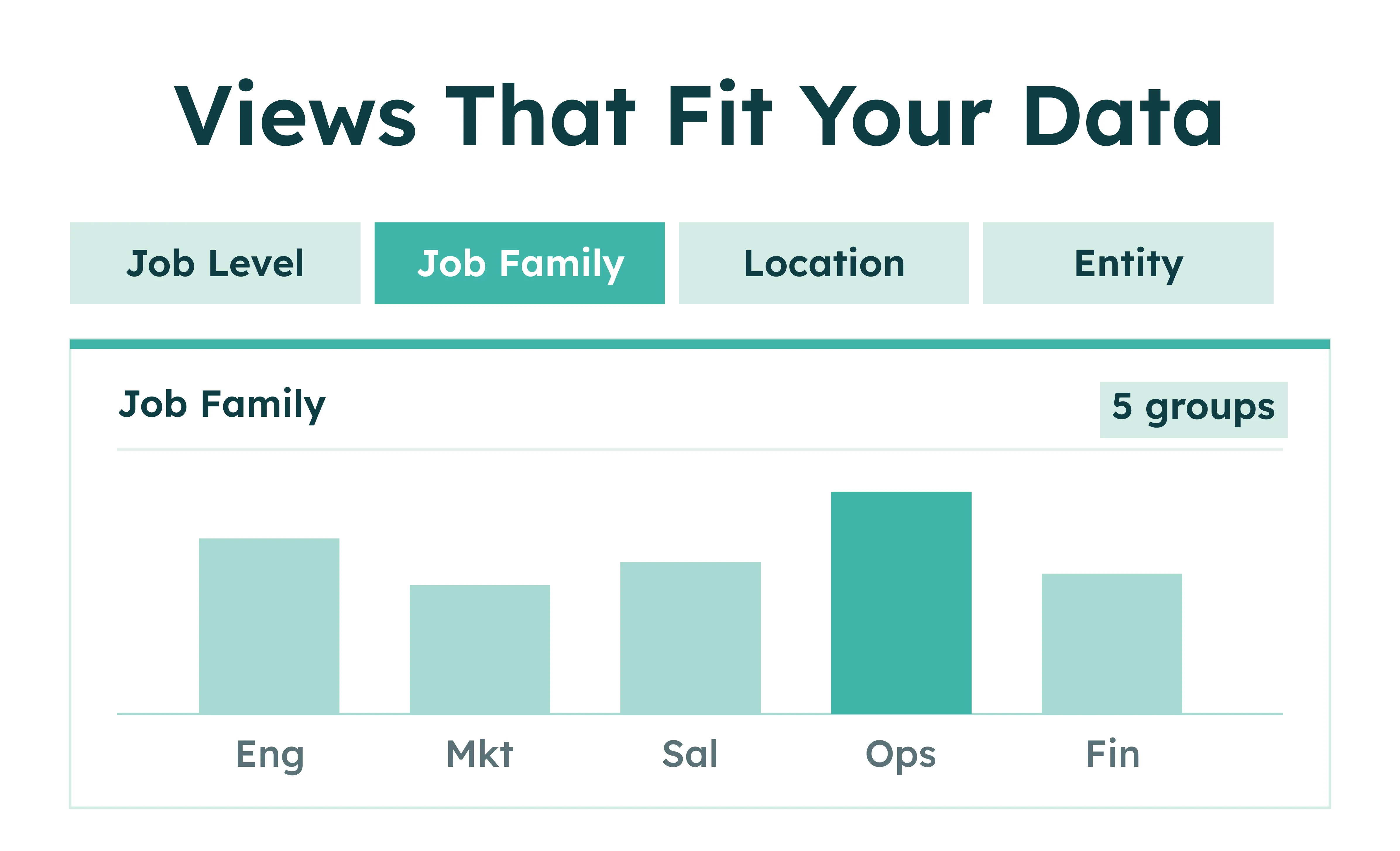
Explore pay outcomes and generate reports by job level, job family, location or entity - using views that reflect how your organisation actually pays. This makes it easier to identify patterns, inconsistencies or potential risks across different parts of the organisation.

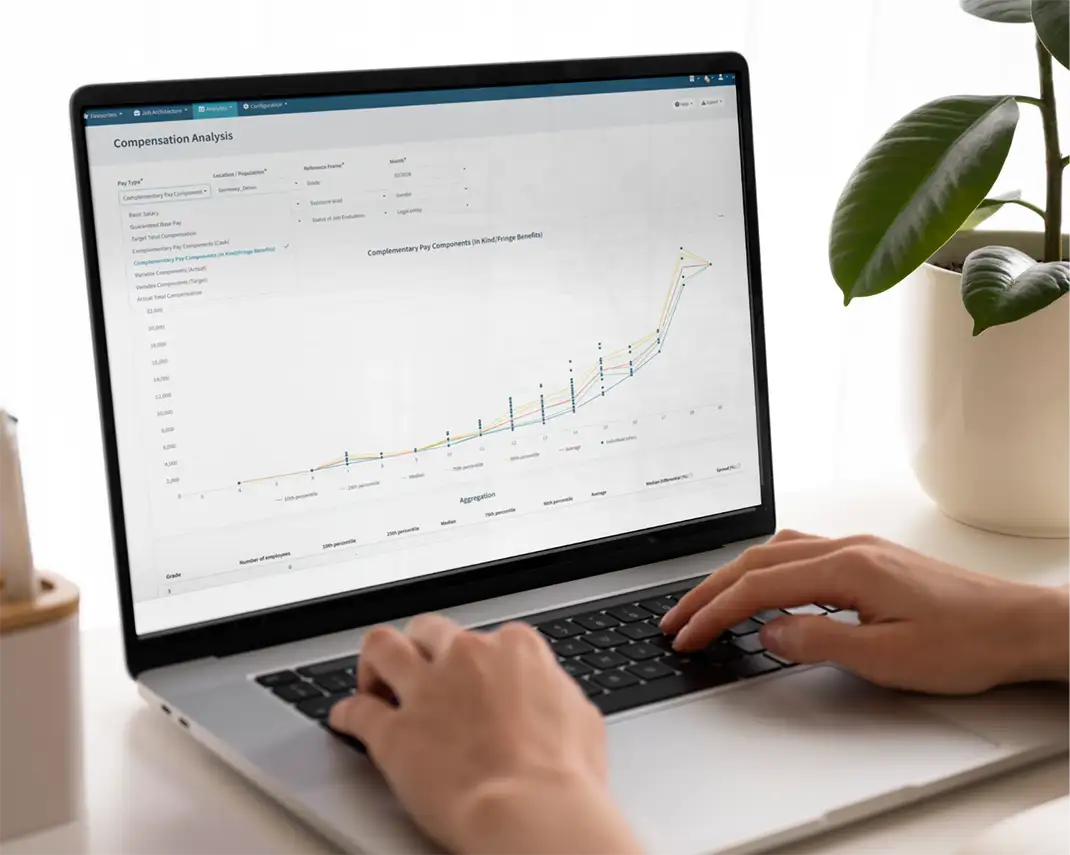
Analyse up to ten different pay types in one view - including base pay, variable components and allowances - for a complete picture of total compensation. By bringing different pay elements together, organisations can understand how compensation is structured across comparable roles.
Create and export reports for internal reviews, leadership discussions or external use - with consistent analysis behind every output – and go from insight to action. This makes it easier to communicate pay outcomes clearly while supporting reporting and governance requirements.


Clear reporting in gradar means analysing pay outcomes using structured and consistent job data so that results can be explained and repeated with confidence. Reports are generated using your organisation’s job groupings—such as job levels, job families, locations and legal entities—so comparisons are transparent and based on a shared framework rather than ad-hoc data analysis.
gradar’s reporting logic is built on your job architecture. Reports typically use job levels or grades, job families, locations and legal entities as the core dimensions for analysis. This ensures roles are compared on a like-for-like basis instead of being analysed across unrelated jobs, which helps maintain consistent and meaningful reporting outcomes.
Pay transparency reporting depends on comparing roles that are genuinely comparable. Consistent job groupings reduce the risk of “apples versus oranges” comparisons and help ensure that pay differences are analysed within appropriate peer groups. This makes the logic behind pay outcomes easier to explain and defend both internally and externally.
gradar allows organisations to explore pay outcomes through a variety of organisational views that reflect how compensation is actually managed. Reports can be generated by job level or grade, job family or function, location or country, and legal entity. These perspectives help organisations understand patterns in pay outcomes across different parts of the business.
Reports in gradar can include up to ten different pay types within a single view. This typically includes base pay, variable or bonus components, allowances and other standard compensation elements. By analysing multiple pay types together, organisations gain a more complete picture of total compensation rather than focusing on base salary alone.
Yes. gradar allows reports to be generated by location and legal entity, which is particularly useful for multinational organisations. This flexibility supports organisations that operate across multiple jurisdictions with different pay structures, currencies and governance requirements.
gradar supports EU Pay Transparency Directive readiness by producing reports grounded in structured job data and clear analytical logic. However, final compliance decisions still depend on each organisation’s specific legal interpretation, reporting scope and regulatory obligations.
gradar anchors reporting to structured job data such as job levels, job families, locations and legal entities. By applying consistent rules and groupings, the system reduces manual spreadsheet work and helps organisations identify mapping issues or data gaps that could otherwise distort reporting results.
Yes. Reports can be created and exported for a range of internal and external scenarios. Organisations commonly use them for HR and compensation reviews, leadership discussions, and works council consultations where applicable. The goal is to provide consistent analysis behind every output so organisations can move from insight to action.
Reporting, pay equity analysis & gender pay gap tools - all in one place.
Guidelines, directives & best practices for achieving pay transparency.

gradar supports compliance with the EU Pay Transparency Directive by generating ready-to-use reports grounded in consistent job data and clear logic.
Job evaluation
Compensation
Pay transparency