Thank you! Your submission has been received!
Oops! Something went wrong while submitting the form.

gradar supports organisations in responding to pay-related questions with clarity and consistency - grounding communication in structured job data, documented decisions and transparent role definitions.


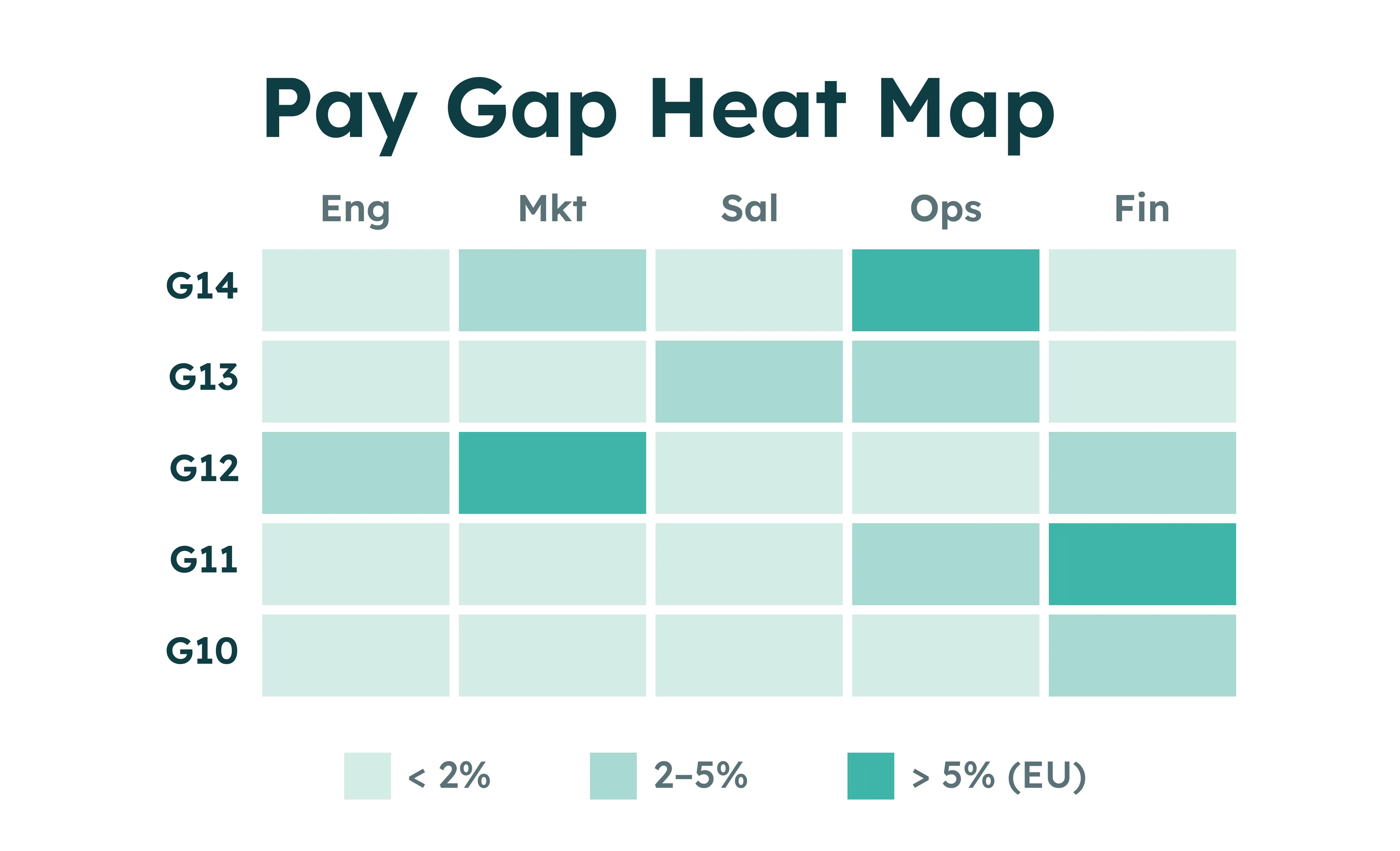
gradar’s job architecture provides consistent job levels, families and role definitions that form a stable reference point for right-to-information requests. This structure also defines the peer groups used for comparison - helping organisations explain pay decisions against clearly comparable roles rather than ad-hoc benchmarks.
Right-to-information requests often come down to simple comparisons. gradar helps define peer groups based on comparable roles such as the same job, grade, job family or location. This creates a clear reference point for explaining pay decisions using consistent, role-based comparisons rather than unrelated positions.

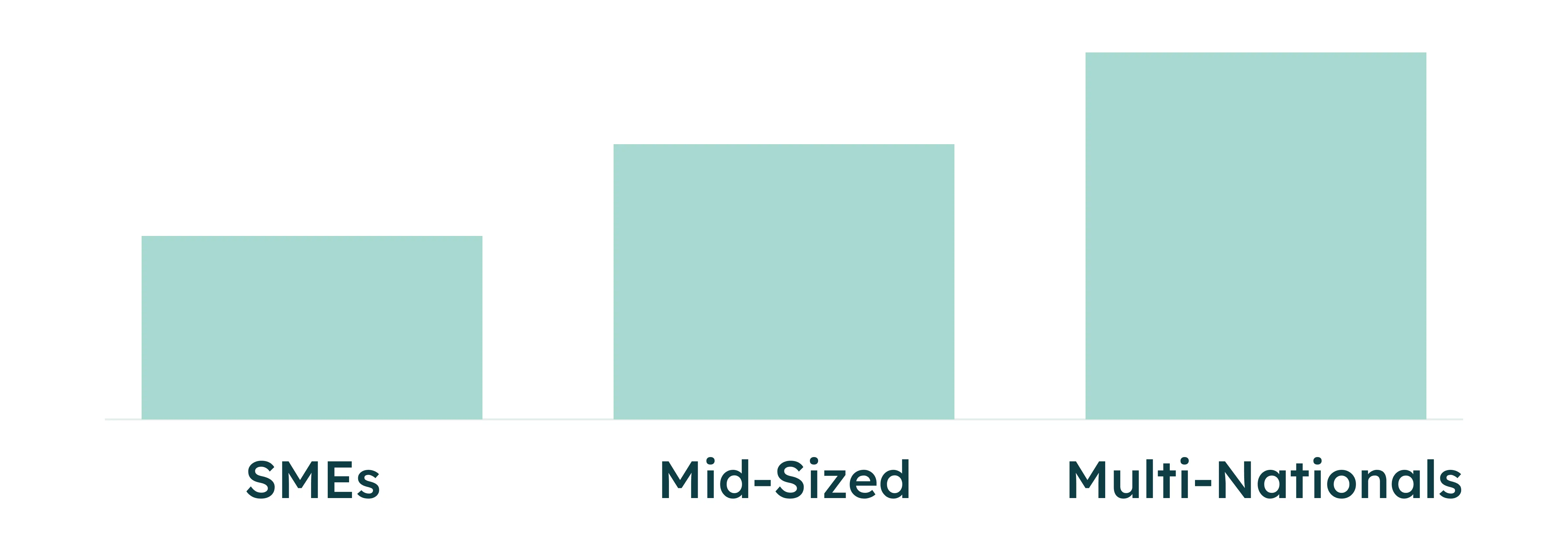
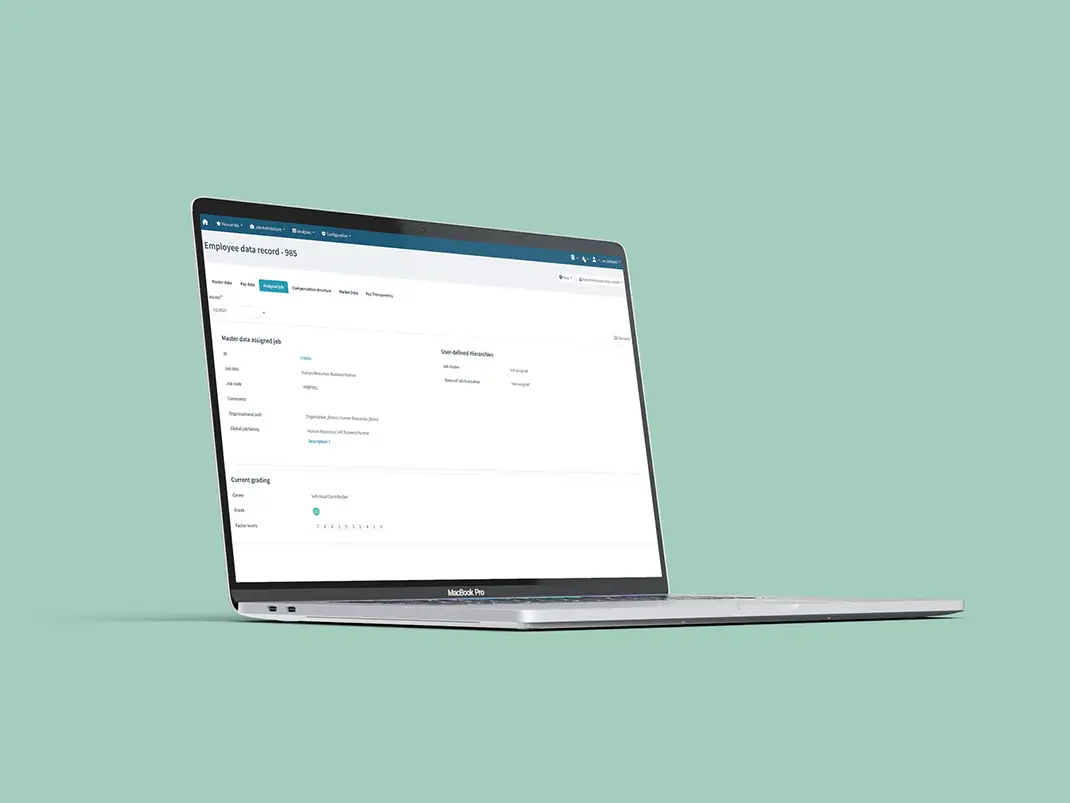
Documented evaluation outcomes and rationale make it clear why roles sit at a particular level - so explanations are grounded in agreed criteria, not individual interpretation. When questions arise, organisations can refer back to the structured evaluation logic as the fallback reference for consistent and defensible answers.
Use standard outputs such as job profiles, level guides and job family descriptions to communicate role information clearly and consistently across the organisation. Shared reference materials ensure that HR, managers and employees use the same language when explaining roles, levels and pay comparisons.
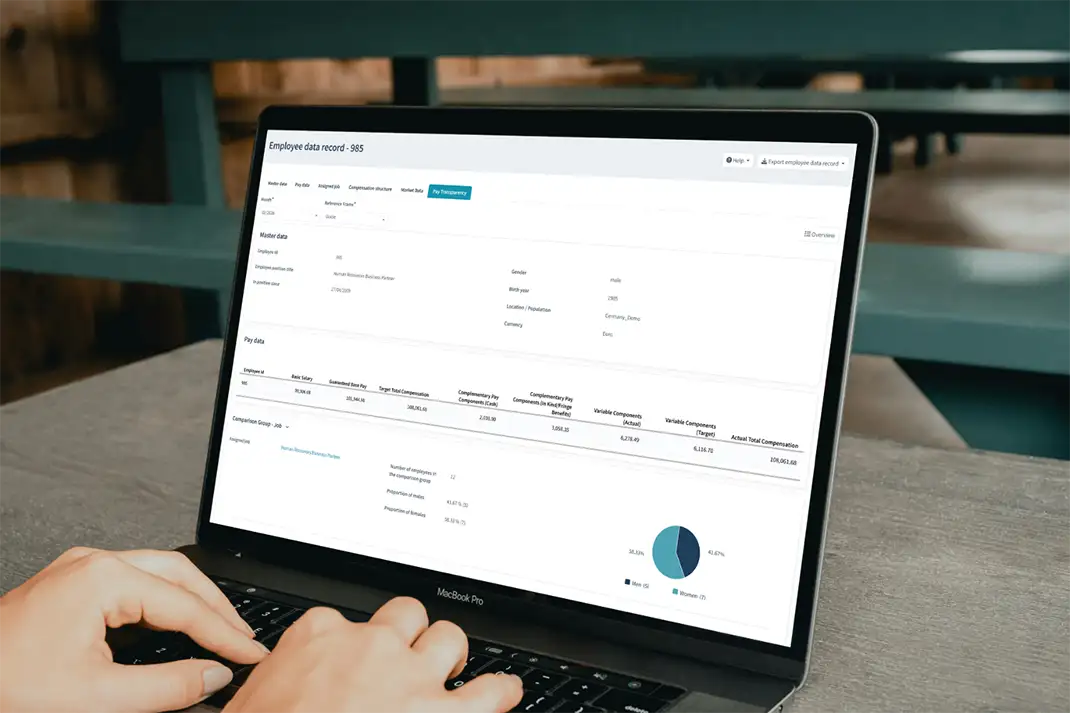

A right-to-information request is when an employee asks their employer for pay-related information and an explanation of how pay decisions are made. Under the EU Pay Transparency Directive, organisations are expected to respond with clear, consistent and explainable information based on objective, gender-neutral criteria. This means employers should be able to explain how roles are defined, how pay decisions are structured and how comparisons between employees are made.
gradar focuses primarily on defining the employee’s peer group. A peer group is a clearly defined set of comparable roles used as the reference point when explaining pay decisions. This might include roles within the same job, grade, job family, location or legal entity. By grounding explanations in structured peer groups, organisations can provide clearer and more consistent responses.
Most pay transparency questions ultimately come down to one issue: “Compared to whom?” A well-defined peer group allows organisations to answer that question clearly and consistently. Instead of comparing unrelated roles, the comparison is based on roles that share the same structure, scope or level within the organisation. This reduces the risk of inconsistent explanations and helps maintain fairness and transparency.
The EU Pay Transparency Directive emphasises transparency and the use of objective, gender-neutral criteria when determining pay. gradar supports this by grounding pay explanations in structured job architecture and analytical job evaluation. By linking pay decisions to documented role definitions and work-of-equal-value logic, organisations can provide explanations that are consistent, structured and easier to justify.
gradar can generate an employee-specific report that summarises the relevant peer group and the structured context behind the comparison. This allows HR teams to respond to requests more efficiently while ensuring that explanations are consistent and based on the same underlying role data and job architecture.
Using gradar, organisations can explain how a role is defined through its job profile, why the role sits at a particular level based on documented evaluation outcomes, which peer group is used for comparison and why, and which objective factors influence pay positioning according to the organisation’s policy and data. This structured context makes pay explanations clearer and more defensible.
gradar supports standard outputs such as job profiles, level guides and job family descriptions so that everyone uses the same reference framework when discussing roles and pay. By providing shared documentation and consistent terminology, organisations can reduce the risk of different people giving different explanations to the same question.
Access controls allow organisations to manage who can view or update role data and supporting documentation. This helps ensure that information used in right-to-information responses is centrally maintained, approved and up to date. It also helps organisations handle sensitive pay transparency topics more carefully and consistently.
No. gradar does not provide legal advice or guarantee compliance with legislation. The platform supports compliance efforts by providing structured role data, documentation and reporting outputs that make pay transparency processes easier to manage. Final responses and policies should always be reviewed in line with internal governance and legal guidance.
Reporting, pay equity analysis & gender pay gap tools - all in one place.
Guidelines, directives & best practices for achieving pay transparency.

gradar supports explainable, structured HR decisions by linking job architecture, evaluation and documentation in one platform.
Job evaluation
Compensation
Pay transparency