Thank you! Your submission has been received!
Oops! Something went wrong while submitting the form.

gradar helps organisations analyse pay differences systematically and objectively - supporting equal pay for work of equal value and compliance with the EU Pay Transparency Directive.


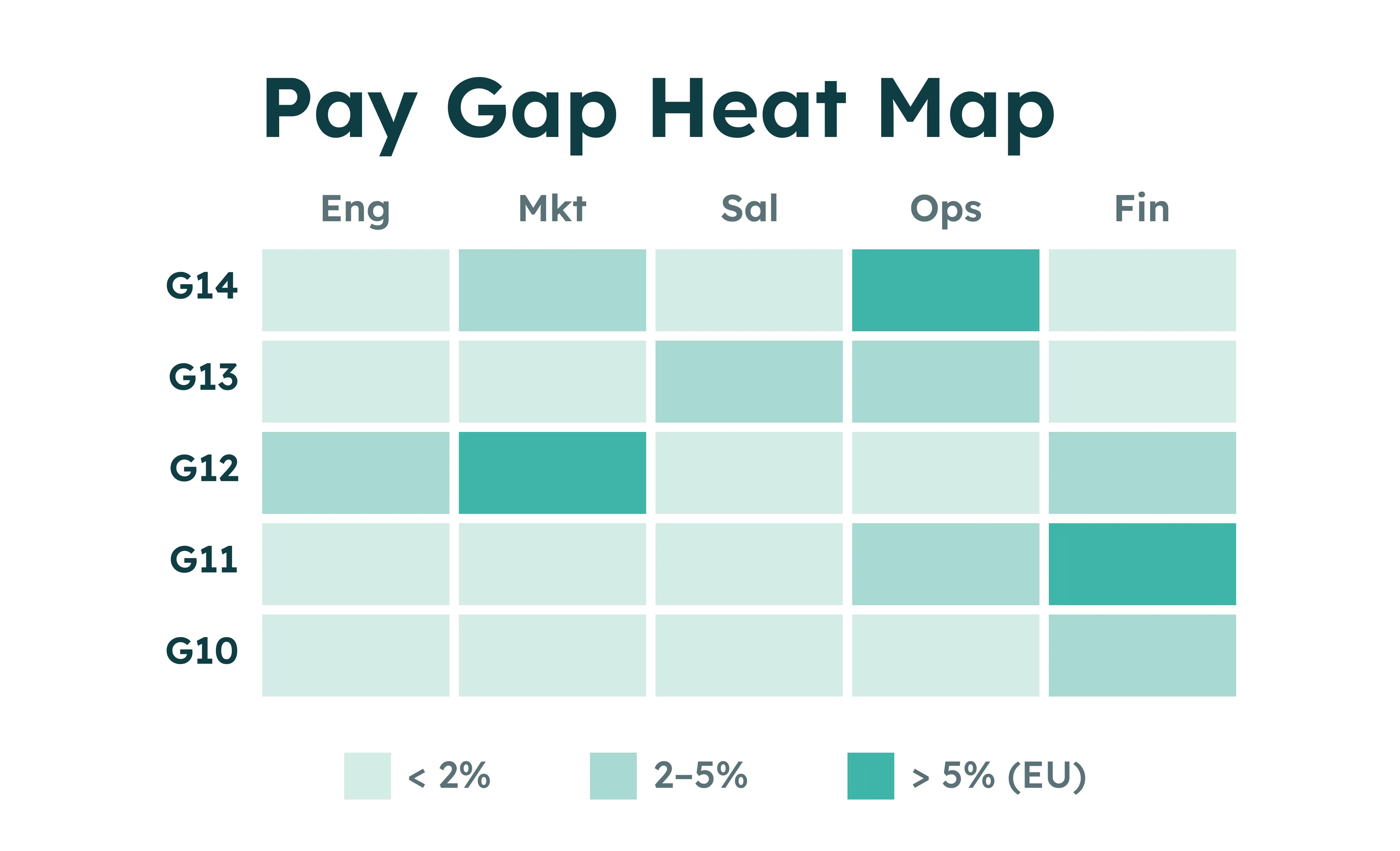
Examine how pay is distributed between men and women across comparable roles, grades and groups - going beyond averages to understand underlying patterns. This helps organisations identify where differences appear and focus analysis on the areas that matter most.
gradar supports adjusted pay gap analysis to account for legitimate, gender-neutral factors such as job level, role requirements and organisational structure. Control factors such as age, job tenure, company tenure and performance can also be included to reflect how pay decisions are made in practice.

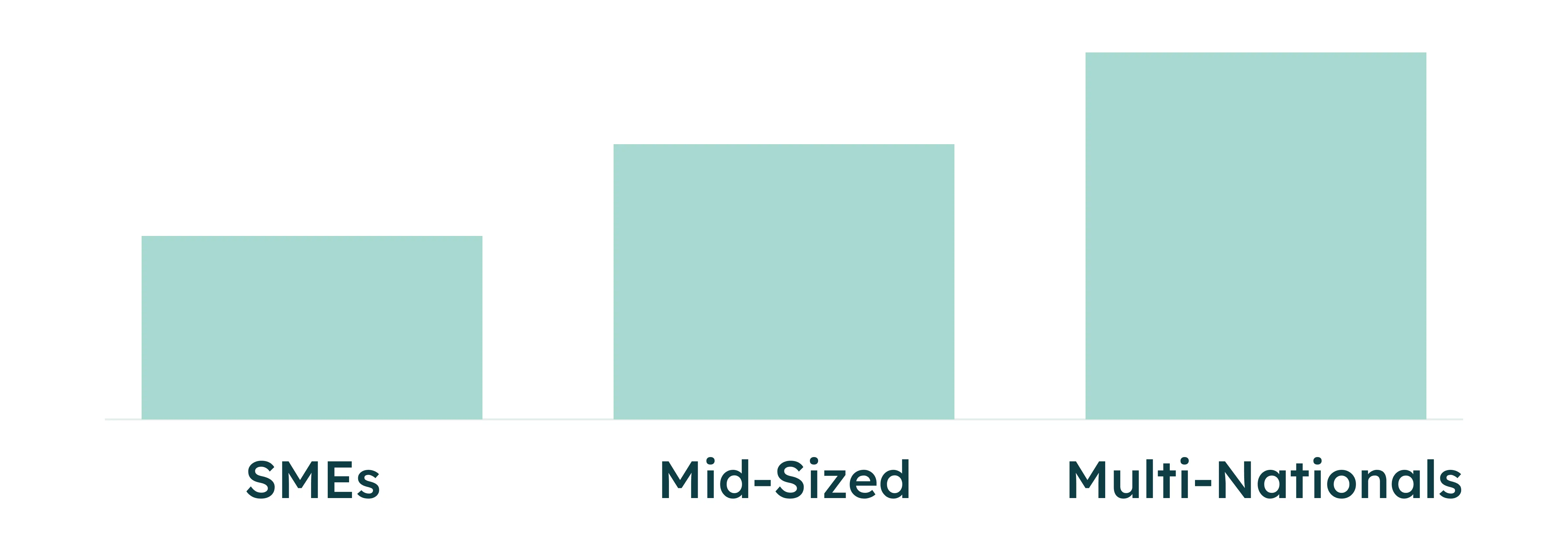

Salary comparisons in gradar are made between roles of equal value - not just similar titles or departments - supporting meaningful and compliant analysis. By grounding comparisons in job evaluation and job architecture, organisations can ensure that roles are assessed on a like-for-like basis.
gradar uses regression models certified by Fair Pay Innovation Lab. These statistical methods analyse pay differences while controlling for relevant factors such as job level, job family, age, tenure and performance. This provides a robust analytical foundation for understanding pay outcomes and identifying areas for review.
Visit Website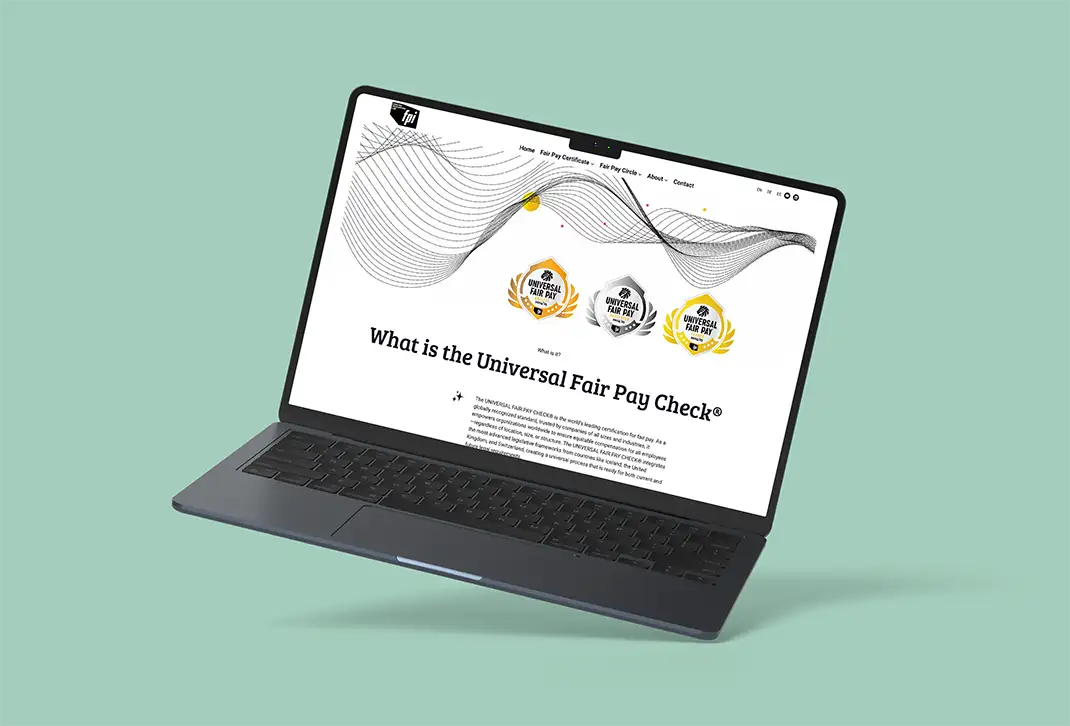

Pay equity analysis in gradar helps organisations identify and explain pay differences in a structured and consistent way. By analysing compensation within comparable groups of roles, organisations can support the principle of equal pay for work of equal value, identify potential risks early and strengthen pay transparency reporting with clear, defensible logic.
Gender pay gap analysis looks at overall differences in pay between women and men across the entire workforce. These differences are often influenced by representation across job levels, functions or career paths. Equal pay analysis, on the other hand, focuses on pay differences within comparable work—roles of equal value—so organisations can assess whether differences are explainable and consistent with their pay policy.
gradar anchors comparisons in the organisation’s job architecture and analytical job evaluation results. Roles are grouped using structured criteria such as job grades or levels, job families and role requirements. This ensures that pay equity analysis compares genuinely comparable roles rather than relying on job titles or organisational units alone.
gradar supports certified regression analysis developed by the FPI Lab. Two complementary analytical approaches are available. Direct regression estimates adjusted pay differences while controlling for relevant factors, while decomposition regression separates pay differences into explained components and an unexplained remainder that may require further review. Together, these methods provide both a headline view and deeper diagnostic insight.
The adjusted analysis can include legitimate, gender-neutral variables that reflect how pay decisions are made within the organisation. These often include job level or grade, job family or function, location or country, legal entity, age, job tenure and performance. Including these factors helps ensure that comparisons reflect the organisational context in which pay decisions occur.
No. An unexplained gap is not a legal conclusion and does not automatically indicate discrimination. Instead, it serves as a signal for further review. Organisations may use it to investigate outliers, historical decisions, inconsistent pay positioning within ranges or potential data and mapping issues that require clarification.
Yes. gradar allows organisations to explore pay outcomes across multiple dimensions such as job levels, job families and other role groupings. This enables HR and reward teams to understand patterns and distributions in pay rather than relying solely on top-line averages.
The Equal Pay Dashboard is a central view of pay equity results within the gradar platform. It allows users to filter, segment and explore results across different role groups, helping organisations review findings, prepare leadership discussions and maintain repeatable reporting processes.
gradar supports readiness for the EU Pay Transparency Directive by providing structured pay equity analysis grounded in consistent job groupings and transparent analytical methods. Final compliance steps will still depend on each organisation’s specific reporting scope and legal interpretation.
Once analysis is complete, organisations can take several practical steps. These may include validating job mappings and job architecture structures, reviewing flagged groups or individual outliers, modelling adjustment scenarios and potential budget impacts, and documenting decisions to support ongoing governance and repeatable reporting processes.
Reporting, pay equity analysis & gender pay gap tools - all in one place.
Guidelines, directives & best practices for achieving pay transparency.

gradar provides the analytical depth needed to assess pay fairly, identify risks early and support pay transparency with confidence.
Job evaluation
Compensation
Pay transparency